
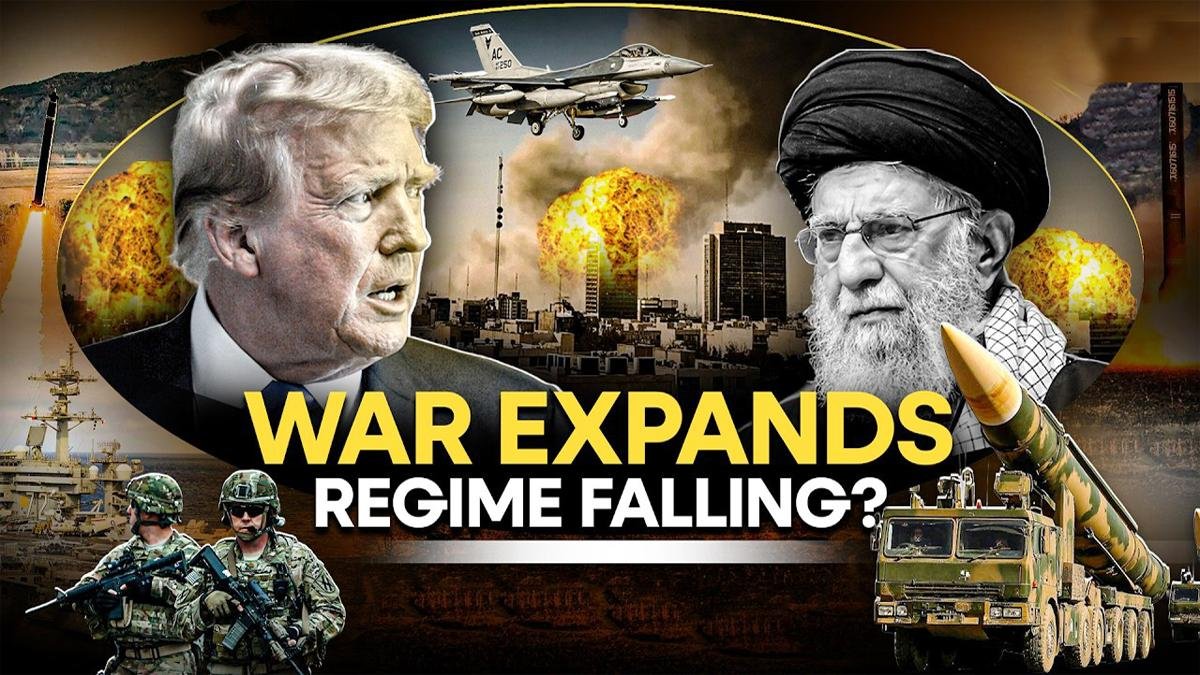
After 107 days of turmoil, the US and Iran have finally agreed to end the conflict. Will this lead to a drop in oil prices in India? How did the deal between Iran and the US actually come about behind the scenes, and who won the conflict? Let’s find out in today’s episode. Hello, I am Aditya. Late on the night of June 14, the Pakistani Prime Minister announced that a peace agreement had been reached between the US and Iran. Following this, Trump tweeted that the deal with Iran was complete, telling the world’s ships to start their engines and let the oil flow. Iran also confirmed that the terms had been finalized. Both nations are set to sign the peace agreement in Geneva, Switzerland, on June 19. However, it would be premature to declare the conflict officially over; there are three reasons for this. First, Trump himself does not seem fully confident in the deal; he stated that if the US is not satisfied regarding the nuclear program, strict measures will be taken. Second, just hours before the announcement, Israel launched attacks on Lebanon; Israel’s National Security Minister, Itamar Ben-Gvir, stated that Israel is not bound by the US-Iran agreement. Third, Iran has placed three conditions before the US: lifting the blockade, halting war and military actions, and releasing Iran’s frozen funds. But how did this deal actually come together behind the scenes? It began on March 22, when Pakistan’s Field Marshal Asim Munir spoke with Trump. On April 7, Trump announced a two-week ceasefire. On April 12, a marathon 21-hour meeting took place between the US and Iran in Islamabad. According to Al Jazeera, Trump called Munir and insisted that he get the deal done at any cost. Then, on May 23, Munir traveled to Tehran to meet with Iranian officials. Initially, Pakistan was merely assisting, but it eventually took a leading role. Between June 1 and June 5, representatives from the US and Iran met in Doha to discuss various issues, including the Strait of Hormuz. Subsequently, on June 14, Qatari officials visited Tehran for multiple meetings; Iranian media has also acknowledged that Qatar played a key role in finalizing the deal.

According to the think tank ‘Virus’, Qatar’s involvement in the deal was driven by economic factors, specifically regarding a large portion of Iran’s frozen funds… The funds are currently held in banks; should Iran demand them in the future, the transfer will be executed from Qatar. Defense analyst Vishal Kawade observes that Pakistan lacks the leverage to broker a deal between the two sides. A 14-point draft proposal has been prepared—reportedly involving policy writers and Iranian news agencies—which includes conditions such as reopening the Strait of Hormuz, halting attacks on the Iran-Lebanon axis, removing sanctions on Iranian shipping and maritime trade, ensuring Iran does not develop nuclear weapons, and releasing Iran’s frozen assets. But who won this conflict? Nitin Gokhale states that the US has clearly lost this war. Despite a weak economy and diminished military power, Iran successfully withstood US-Israeli attacks, maintained its proxy networks, and secured the release of its frozen funds. The US had two objectives—destroying Iran’s nuclear facilities and achieving regime change—but both failed. Notably, when the Strait of Hormuz was threatened during the crisis, crude oil prices surged from $72 to $120 per barrel; prices stood at $86 on June 12, but dropped by 4.1% immediately upon the announcement of the peace agreement. In India, oil companies have been incurring losses of approximately ₹900 crore daily, even after the price hike. While falling crude oil prices will reduce these losses, it may take up to six months for fuel prices to return to previous levels. The cessation of hostilities will bring Iran relief from US sanctions and boost trade through the Indian-developed Chabahar Port, enabling Indian goods to reach Iran, Afghanistan, and Central Asia directly.
Asim Munir ordered AK-47 fire on people demanding flour and rice: The story of Pakistan-occupied Kashmir—a region with its own PM, President, and flag
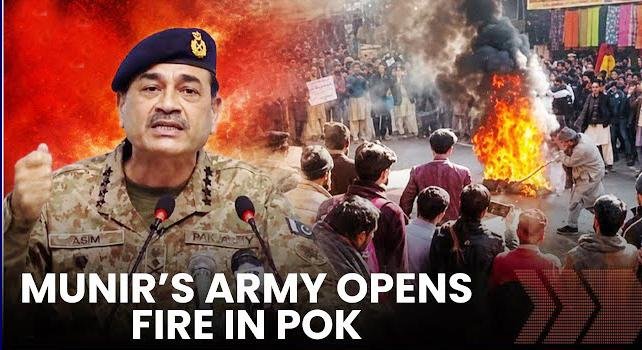
This is the city of Rawalakot in Pakistan-occupied Kashmir. On June 11, thousands of protesters gathered at the Eidgah ground to demand basic rights such as flour, rice, and electricity. The Pakistan Army opened fire with AK-47s; one person was killed, and 37 protesters were injured. India has strongly condemned this atrocity committed by Pakistan. Here is the full story of Pakistan-occupied Kashmir.
On July 18, 1947, under the Indian Independence Act, the country was partitioned into India and Pakistan. At that time, Maharaja Hari Singh of Kashmir chose to remain independent. However, on October 22, 1947, 5,000 Pakistan-backed tribal invaders began an attempt to capture Kashmir. On October 26, 1947, the Maharaja signed the Instrument of Accession to India. The Indian Army arrived in Srinagar and began pushing back the invaders. The matter reached the UN on December 31, 1947, and a ceasefire was finally declared on January 1, 1949. The armies of both nations remained in their respective positions; by then, Pakistan held 35% of Kashmir’s territory. This is what is known today as PoK (Pakistan-occupied Kashmir) or PoJK (Pakistan-occupied Jammu and Kashmir). In 1972, the Shimla Agreement transformed the ceasefire line into the Line of Control (LoC). Currently, there are distinct parts of Jammu and Kashmir; while India claims sovereignty over the entire region, Pakistan and China occupy four of these parts. Now, look at the yellow section on the map of Jammu and Kashmir. To us, this entire area is PoK (Pakistan-occupied Kashmir).

However, Pakistan classifies 50% of this area—Gilgit-Baltistan—as its own territory, while the remaining 15% is designated as ‘Azad Kashmir.’ In 1949, following the ceasefire, a ‘secret’ Karachi Agreement was concluded; under this pact, Muhammad Ibrahim (then President of PoK) relinquished control of Gilgit-Baltistan, effectively ceding the area to Pakistan. Crucially, no representative from the Gilgit region was included in the agreement. Following this pact, Ibrahim was removed from the presidency. Ibrahim belonged to the Sudhan tribe of Kashmir, which was the first to rise against Maharaja Hari Singh; however, Pakistan’s actions turned the entire community against it, leading to brutal crackdowns by the Pakistani army and a major rebellion. While that covers Gilgit-Baltistan, let us also examine just how “free” Azad Kashmir actually is. The final constitution for Azad Jammu & Kashmir was drafted in 1974, establishing a High Court, a Supreme Court, and an Election Commissioner; however, these institutions were largely a mere facade. That same year, another body—the Azad Jammu & Kashmir Council—was created, with the Prime Minister of Pakistan serving as its Chairman and the President of Azad Kashmir as its Vice-Chairman. A 2018 constitutional amendment transferred all the Council’s powers to the Pakistani government, meaning Azad Kashmir cannot make a single decision independently. Today, the people of Azad Kashmir are fighting for their rights. The Mangla Dam, built on the Jhelum River in the region, supplies 10–15% of Pakistan’s electricity, yet the residents themselves are forced to purchase 92% of their power from Pakistan. Violent protests against high electricity costs erupted there as recently as 2023. The locals are also aggrieved by projects involving China; the Kohala and Karot hydropower projects, along with the 4,800 MW Diamer-Bhasha Dam, are being constructed there, yet the benefits will go to Pakistanis rather than the local population. Although the region is rich in natural herbs, the locals are not adequately compensated for them. On June 7, the local Supreme Court ruled to retain the 12 reserved seats in the Azad Kashmir Assembly; critics allege that the occupants of these reserved seats are loyal to the Pakistani government rather than to Azad Kashmir, and this ruling has sparked ongoing unrest in the region.
The US spent ₹6 crore every minute on the war with Iran: Will it have to pay an additional ₹$336 billion US dollar in damages? Just how costly did this war prove to be for Trump?
The US had to spend 10 lakh rupees every second to fight Iran, amounting to approximately ₹9,400 crore per day. Even after 107 days, Trump found no respite; reports indicate that ₹28 lakh crore would have to be paid to Iran as compensation. Just how expensive was the war with Iran for Trump?

So far, the US has spent $113 billion—roughly ₹10 lakh crore—fighting Iran, and this figure continues to rise. According to the ‘Iran War Cost Tracker’ website, the US spent nearly $2 billion daily during the first six days of the war. US Senator Chris Coons suggests the actual expenditure could be far higher. But where exactly did all this money go? While a precise accounting is impossible, let’s look at some major military expenses. The US deployed B-2 bombers in this war; the cost of a single hour of flight is ₹1.4 crore. Similarly, the hourly cost is ₹80 lakh for the F-22 Raptor, ₹59 lakh for the B-1B bomber, ₹40 lakh for the F-35A, and ₹31 lakh for the F-15I. The US deployed 13 types of jets and drones around Iran, with hourly flight costs reaching up to ₹1.4 crore. Two aircraft carriers were deployed near Iran, costing between ₹61 crore and ₹82 crore per day. Additionally, the costs for destroyers, submarines, and combat ships run into crores. Based on these figures, the US spent approximately ₹600–610 crore daily just on the deployments surrounding Iran. Now, consider the expenditure on ammunition: the US fired 174 units of Tomahawk Block V missiles—costing ₹34 crore per unit—resulting in a massive total. Similarly, 45 units of AGM-88 missiles cost ₹369 crore, 8 units of GBU-257 bombs cost ₹264 crore, and… While ₹92 crore was spent on 400 units of the ‘Band’ [system], the overall expenditure exceeded ₹10,000 crore. During the conflict, the US deployed assets including 24 MQ-93 drones, a KC-135 refueling aircraft, and four F-15E fighter jets—totaling 42 aircraft—to counter Iran’s use of Shahed-136 drones across the Middle East. Although a single Shahed-136 drone costs only ₹33 lakh, the US had to employ defense systems like Patriot and THAAD to intercept them; a single interceptor missile from these systems costs between ₹35 crore and ₹120 crore. This covers the direct military expenditure, but American citizens also paid a heavy price due to the war. Gasoline (petrol) is the primary fuel for vehicles in the US; the conflict caused petrol prices to surge by 40% and diesel prices by 37%. Beyond the massive economic losses, the US also lost 15 soldiers in the conflict. Iranian media is currently claiming that the US will provide a relief package worth ₹28 lakh crore to Iran; it remains to be seen whether the US will actually announce such a package during the deal scheduled for the 19th.
Trump’s ‘surrender’ to Iran neither changed the regime nor was the nuclear program completely dismantled. $1.46 trillion: what was actually gained from the war?
Oman’s Foreign Minister stated on television that Iran was willing to eliminate its entire stockpile of enriched uranium, suggesting that a deal was within reach if diplomacy were given a chance. However, that same night, a new plan was explained to Trump—one that proposed not just dismantling the nuclear program but also toppling Iran’s Islamic regime. The very next morning, bombs began falling on Iran. Now, 110 days later—on June 18—Iran and the US have signed documents to end the war. The terms of the agreement were even weaker than those that had been on Trump’s desk on February 27, yet in those 110 days, the world incurred a staggering financial loss of approximately ₹122 lakh crore ($1.46 trillion). Trump had outlined four objectives for the war; let us examine them one by one. The first was to topple Iran’s Islamic regime; Trump had urged the people to seize control of their government, but the opposite happened—the Iranian public united. Khamenei’s son, Mustafa, became the Supreme Leader; far from being overthrown, the government’s nature remained unchanged. The second goal was to end the nuclear program and eliminate Iran’s enriched uranium stockpile. While promises were made, Iran has been repeating this pledge since 1970 without ever fulfilling it, and the matter remains unresolved—meaning this goal, too, was left unachieved. The third goal was to dismantle proxy organizations like Hezbollah. While Hezbollah was weakened and lost control over a 2,000-kilometer stretch, it was not eliminated; despite the US destroying over 50 Iranian military bases, Iran launched a missile attack on Israel on June 7.

The message was clear: Iran’s capabilities had not been destroyed, and satellite imagery shows that repairs have already begun. The final agreement did not even mention the missile program. All four of Trump’s objectives remained unfulfilled or failed completely, yet he is framing these difficulties as major achievements—even though the situation was already like this before the war. The deal did include a provision allowing Iran, in cooperation with Oman, to collect fees from ships passing through the Strait of Hormuz. That covers the objectives of the war, but now consider the price paid: between the start of the war on February 28 and June 10, there were over 7,000 deaths. …and over 40,000 were injured; on the very first day of the war, 160 girls were affected in an attack on a girls’ school in southern Iran. India has maintained good relations, and Trump calls Modi a good friend. In the battle of narratives, Pakistan has diplomatically outmaneuvered India. India was also unable to fully save its sailors; in March, 87 sailors died when an Iranian ship returning from India sank in the Indian Ocean, claiming the lives of three Indians. The question will always remain: what exactly did Trump achieve from this 110-day war?
Key Points of the US-Iran Interim MOU: Ceasefire, Sanctions, Hormuz, and Nuclear Deal
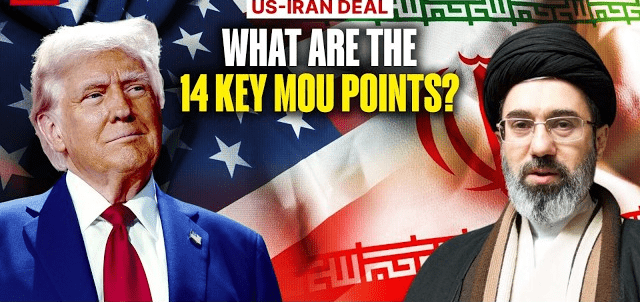
The conflict between the US and Iran has finally ended after 110 days; the presidents of both nations signed a 14-point peace agreement. A US official briefed the media on the details of the pact. Here are the specifics of the 14-point agreement: hostilities between the US and Iran—including in Lebanon—will cease, and both nations will refrain from interfering in each other’s internal affairs. A target has been set to finalize the ultimate peace agreement within 60 days. The US will begin lifting the blockade on Iran, and the Strait of Hormuz will be opened to shipping for seven days. Iran will receive $300 billion for reconstruction, and economic sanctions against the country will be lifted. Under the deal, Iran has pledged not to develop nuclear weapons, and its nuclear program will remain unchanged until the uranium dispute is resolved. Furthermore, the US will not impose new sanctions on Iran, and frozen Iranian assets held abroad will be released. A mechanism will be established to monitor compliance with the agreement, formal negotiations for the final deal will commence immediately, and the ultimate agreement will receive legal approval from the UN Security Council (UNSC).
What did Donald Trump ultimately gain by sparking a conflict with Iran?
An agreement has now been reached following a days-long standoff between the US and Iran, with both sides claiming victory. Although the conflict may have officially ended with this agreement, the real and difficult negotiations are yet to begin. Critics in both countries argue that excessive concessions were made in this deal. So, what exactly have Iran and the US gained from this agreement? So, what exactly did Iran and America gain from this agreement?

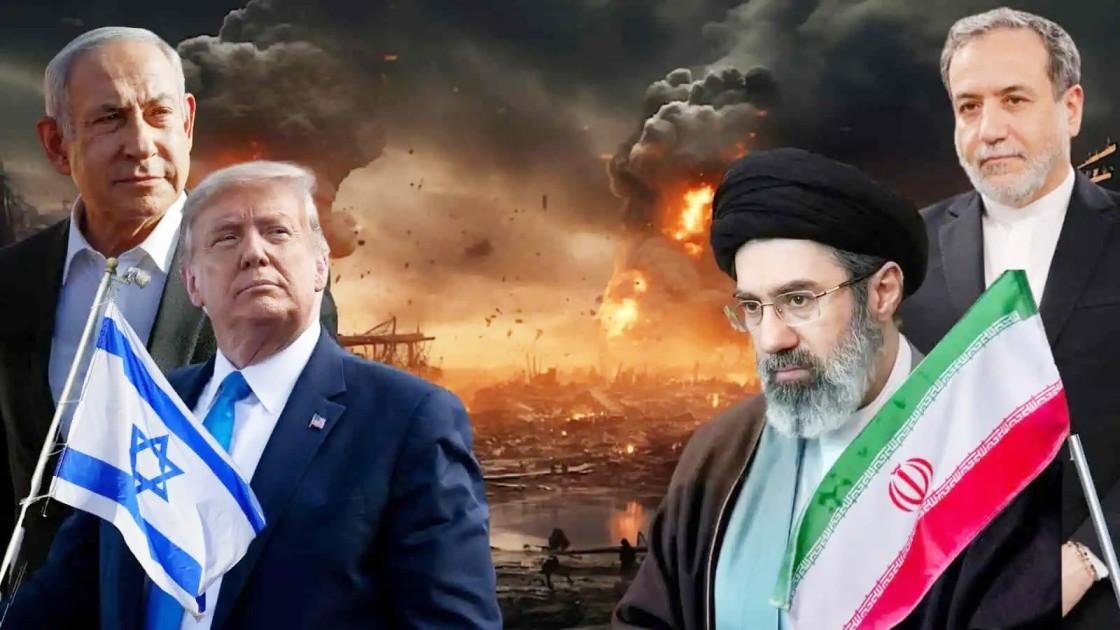
After days of conflict, an agreement has finally been reached between the US and Iran; both sides are claiming victory. While the hostilities may have officially ended with the deal, the real, difficult task—and the true test of success—begins now. Critics in both countries argue that excessive concessions were made in the agreement. So, what did Iran and America actually achieve? That is the focus of our first story today. For Iran, this agreement is far more than just a ceasefire; it is significantly more important. It allows Iran to claim that it held its ground in the conflict without surrendering. It can also assert that it has emerged from the struggle stronger than before. From the very beginning, Iran’s goal was to ensure the survival of the Islamic Republic’s system and its leadership once the conflict ended; this agreement allows Iran to declare that it succeeded in achieving that objective. The agreement also emphasizes mutual respect for sovereignty. Under the terms, the US will begin lifting its naval blockade and grant exemptions for Iranian oil exports. It will also release frozen and sanctioned Iranian assets and work towards easing existing sanctions. Furthermore, in collaboration with regional partners, the US will work on a plan worth at least $300 billion for Iran’s reconstruction and economic development. These specific provisions in the Memorandum of Understanding (MoU) provide the basis for the Iranian leadership to portray the agreement as a victory. However, the initial reaction from Iran’s Supreme Leader, Ayatollah Khamenei, was quite measured; while he authorized the deal to proceed, he made it clear that acceptance rested on the responsibility of Iran’s Supreme National Security Council. The most difficult issues have been deferred for now and remain unresolved. Negotiations regarding matters such as stockpiles of highly enriched uranium, the scale of the uranium enrichment industry, and the reconstruction of nuclear facilities damaged during the conflict will take place amidst significant pressure. This presents a major challenge for the Iranian leadership; if Iran refuses to move forward on the issues of highly enriched uranium or the future of its nuclear program, the entire process could be jeopardized. Even the ceasefire could be jeopardized; the reaction has further complicated matters. While there were differing opinions in principle, the move was ultimately approved. For Iranian negotiators, this implies a narrower scope for the agreement; they must satisfy the US without crossing boundaries that the Supreme Leader himself has not fully endorsed. Meanwhile, Donald Trump has hailed the deal as a major victory for the US, stating that it fulfills the conflict’s primary objective: preventing Iran from acquiring nuclear weapons. However, the reopening of the global economy—facilitated by the reopening of the Strait of Hormuz—is seen as an even greater victory for the near future. As the conflict dragged on and the Strait of Hormuz faced closure, opinion polls consistently reflected American sentiment; Trump can now present himself as the leader who brought the conflict to a relatively swift conclusion. Nevertheless, critics have already accused Trump of making excessive concessions. The primary source of this criticism is a $300 billion fund from which Iran stands to benefit; although Trump and other administration officials have clarified that the US will not provide these funds directly, the issue remains a point of unease for some Republican leaders.
Meloni’s cigarette, Putin’s plan for immortality: What do world leaders talk about among themselves?
Italian PM Giorgia Meloni doesn’t smoke, though she does drink three coffees at once to shake off sleepiness. This wasn’t an official announcement but a casual moment of chit-chat with other world leaders that went viral. It happened on June 16 during the annual G7 summit in France; a “hot mic” captured the exchange just before the meeting, revealing that the world’s most powerful people discuss things just like the rest of us. There are many interesting aspects to these meetings, ranging from the encounters themselves to the exchange of gifts.

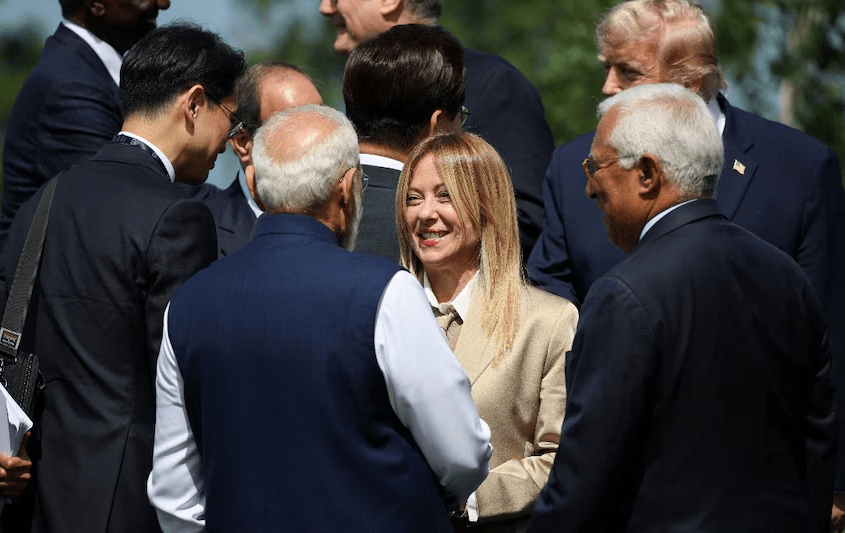
Leaders undertake various types of foreign visits: a meeting between heads of state or government constitutes an “official visit”; a trip for a specific task is a “working visit”; and a personal trip for leisure is a “private visit.” These visits aren’t spontaneous; foreign ministries and embassies plan them months in advance. However, exceptions do occur—such as PM Modi’s 2015 trip to Lahore. Normally, weeks before a visit, protocol officers plan every second—who enters the room first, where they stand, and so on. Leaders are often provided with a dossier that even details the psychology of the counterpart they are meeting. Before US President Nixon’s 1972 visit to China, the White House team visited the country three times. In 2017, President Trump undertook a state visit to China accompanied by a delegation of 1,000 people. PM Modi is usually accompanied by representatives from the Ministry of External Affairs and other ministries, alongside security personnel and the media. That covers the logistics of travel, but the meetings themselves vary. In G20 protocol terms, a conversation between two leaders is a “bilateral talk” (like the Modi-Trump meeting at the G7). When leaders step aside for a brief 5–10 minute chat during a summit—such as the conversation between Modi and Trudeau at the 2023 G20—it is a specific type of interaction. A meeting lasting just a minute or two while shaking hands is called a “brush-by,” while a conversation held while walking into or out of an event hall is known as a “walk-and-talk”—all examples of such unofficial interactions. Sometimes, these moments make headlines—such as during Putin’s visit to China last September, when he and Xi Jinping discussed the possibility of humans living up to 150 years. Putin remarked that biotechnology could extend human lifespan, noting that the longer one lives, the more one evolves, and that immortality might even be possible; Xi Jinping responded by predicting that humans could indeed live to be 150. Protocol also governs the positioning of leaders in photographs; at the G20, the host nation’s leader stands in the center, while other leaders are arranged according to seniority or diplomatic relations. At the G7, PM Modi was a special guest and a senior leader, placing him in the front row; conversely, in 2017—when he first attended the summit—he was seen standing at the edge of the G20 group photo. Then there are gifts, which often become a tool of “soft power” diplomacy. In 1972, China gifted two pandas to Nixon; Nehru sent an elephant to Japan in response to the wishes of Japanese children; and in 1961, Russia gifted Kennedy a puppy born to a space-traveling dog. PM Modi has presented gifts such as a Kalamkari painting depicting the Mahabharata to Macron, Thekua and the Sushruta Samhita to the Slovakian PM, and even Melody toffees to Meloni—gestures that garnered significant attention. However, there have also been blunders; in 2009, former British PM Gordon Brown was gifted a DVD set of 25 American films that failed to play due to incompatible technology. That same year, the US gifted Russia a “reset button” to symbolize a fresh start in relations, but a translation error resulted in the Russian text reading “overcharge” instead of “reset.” Finally, regarding phone calls between leaders, senior journalist Manoj Joshi notes that world leaders communicate via cryptographic networks running through undersea cables—channels that cannot be intercepted. While conversations now also take place directly via mobile apps like WhatsApp and Signal, the hotline established in 1963 remains a vital medium for official communication between nations.