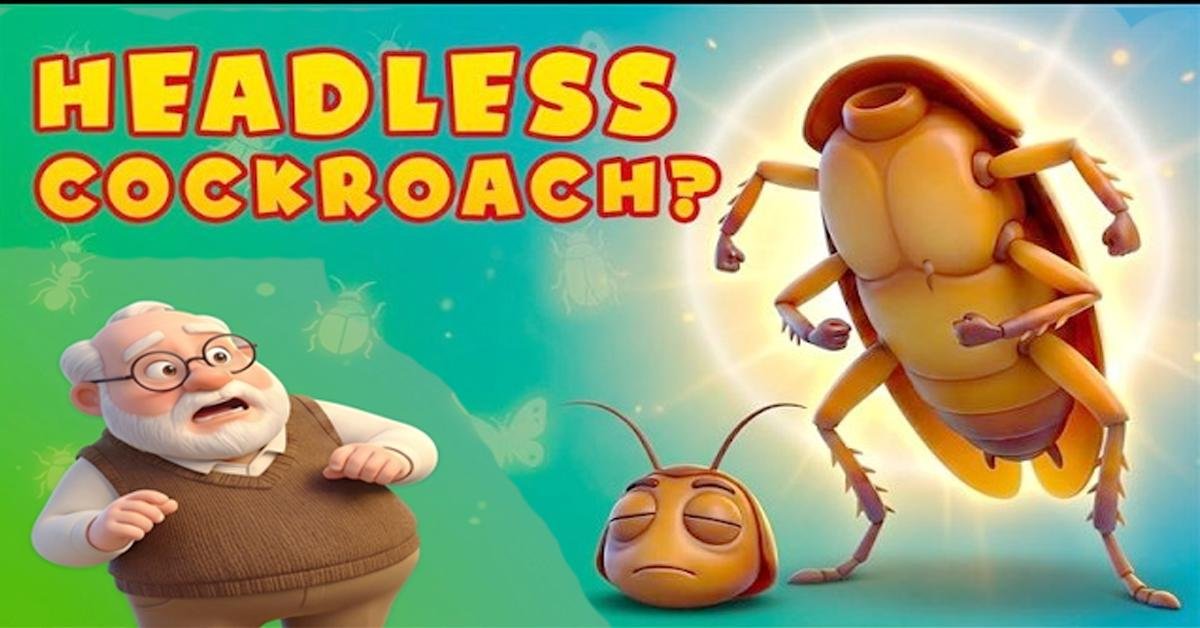
Even Older Than Dinosaurs: Tales of the Cockroach. When some Spanish explorers set out to discover new sea routes, they noticed a reddish-brown insect lurking in the corners of their ships. Upon seeing it, they exclaimed, “Cucaracha!”—a name that eventually evolved into “cockroach.” Yet, with the passage of time, it has become clear that the cockroach is far older than this encounter suggests—approximately 350 million years old. Dinosaurs came and went, but the cockroach survived. It endured mass extinctions; even after the dropping of atomic bombs, it persisted
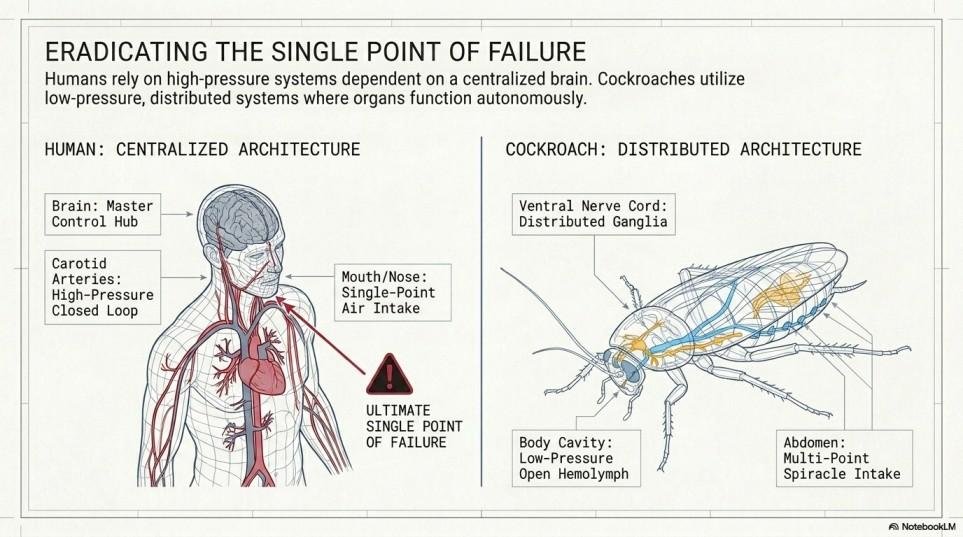
Today, in our “Monday Story,” we delve into the fascinating world of the cockroach. Back in 1879–80, cockroaches in America were known to grow to considerable lengths. In 2010, scientists at Imperial College London created a 3D virtual model based on a 300-million-year-old fossil; for the first time, the anatomical structure of such an ancient cockroach was revealed. In 2012, 310-million-year-old wings were discovered in China, featuring intricate veins that are virtually identical to those of modern-day cockroaches. Today, 4,500 species of cockroaches coexist with humans. The cockroach’s body structure is entirely distinct from that of other creatures, which explains why it can survive even after its head has been severed. The cockroach’s body is divided into three sections: the head, the thorax, and the abdomen. The head houses two eyes capable of a 360-degree field of vision, two antennae that function as sensors, and a mouth used for feeding.
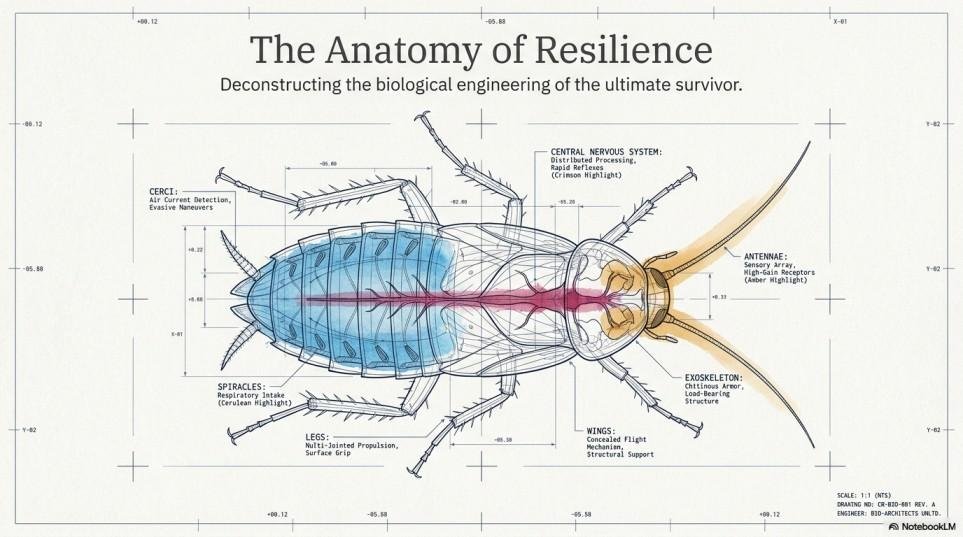
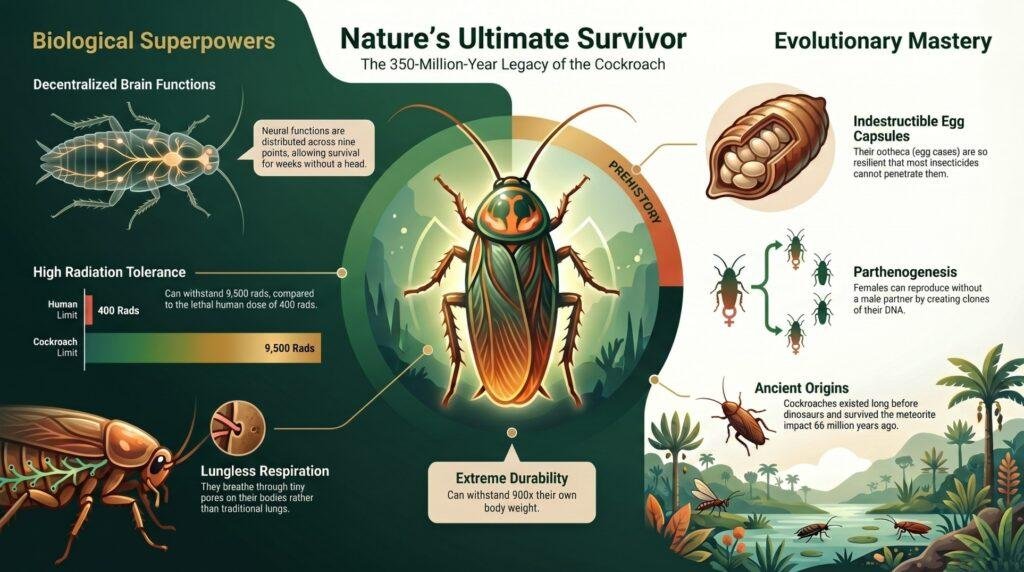
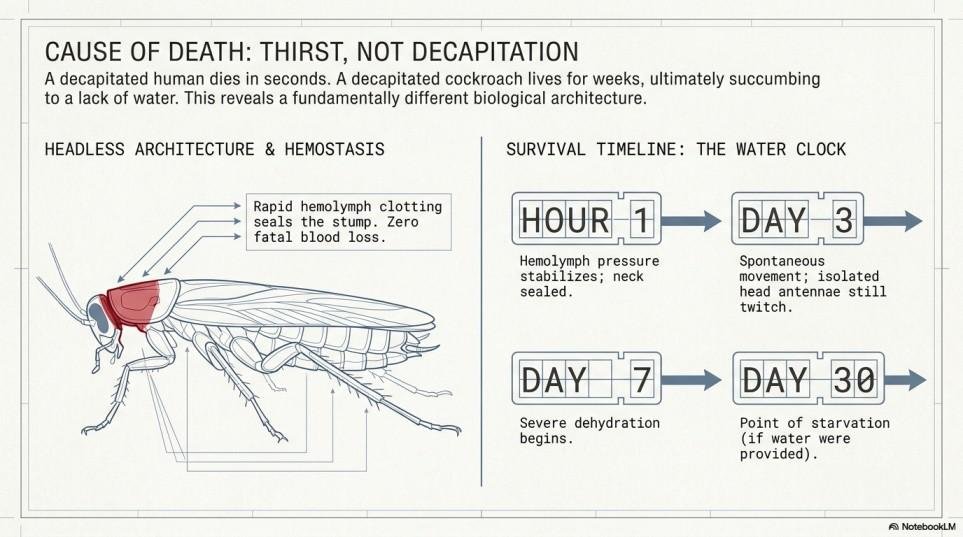
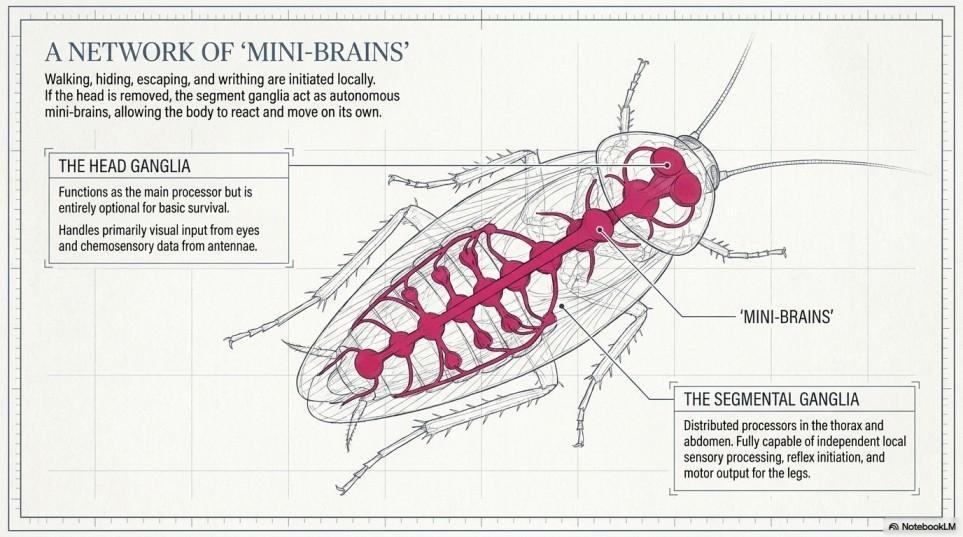
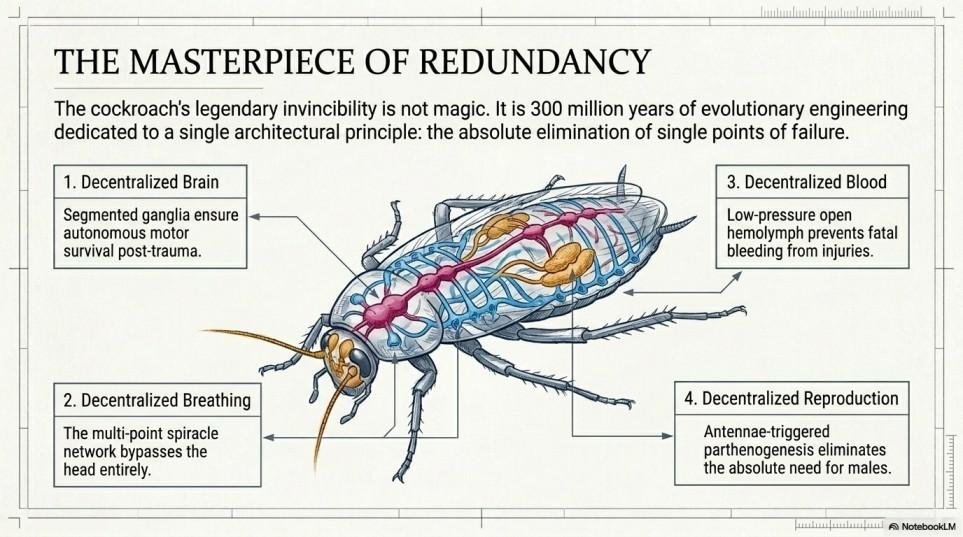
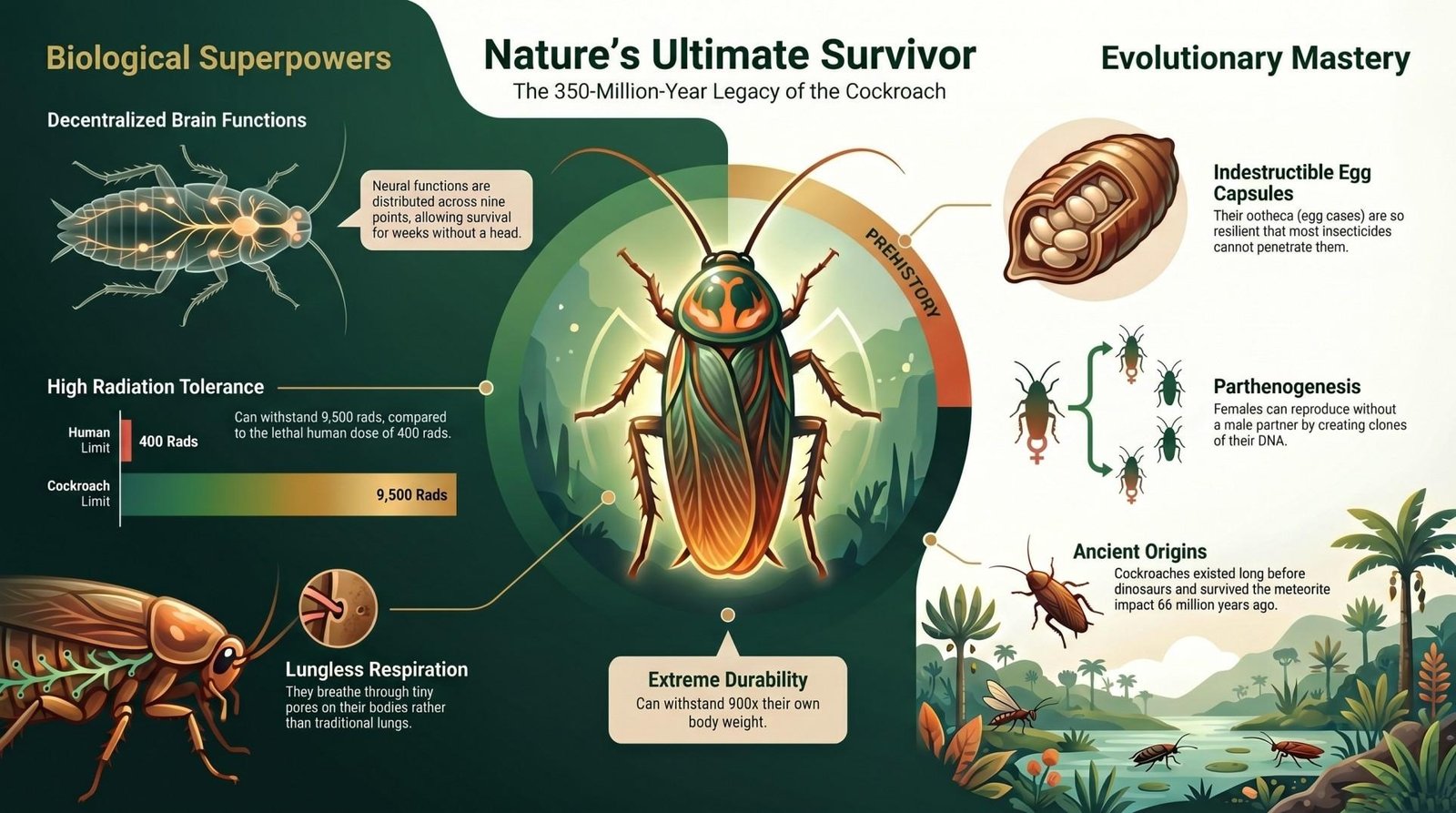
The thorax and abdomen sections contain the cockroach’s six legs, four wings, and a heart. The heart itself is divided into thirteen chambers. Cockroaches do not possess lungs; instead, they breathe through tiny pores located along the sides of their bodies. Their blood lacks hemoglobin, which is why it appears white or yellow. All of this is well and good, but how exactly do they remain alive after losing their heads? The reason lies in the fact that a cockroach’s brain is not confined solely to its head; rather, its neural functions are distributed across nine distinct points throughout its entire body. Even if one section is damaged, the remaining parts continue to function. When a cockroach is decapitated, the neck opening seals itself, effectively retaining the blood within the body. However, in this state, the insect is unable to drink water; consequently, it eventually succumbs to dehydration after a few weeks. Cockroaches are so adept at survival that they have successfully outlasted even the greatest mass extinctions in history.
37.2 When oxygen levels in the oceans plummeted, 75% of all species were wiped out—yet the cockroach survived. During the Permian-Triassic mass extinction event—252 million years ago—volcanoes erupted across Siberia on such a massive scale that 96% of marine species and 70% of terrestrial species perished. However, the cockroach survived by hiding beneath the debris and subsisting on decaying matter. 201 million years ago, the fragmentation of continents triggered massive volcanic eruptions, leading to the Triassic-Jurassic mass extinction; while 80% of species vanished, the cockroach endured. 66 million years ago, the impact of a 10-kilometer-wide meteorite wiped out even the dinosaurs—yet the cockroach managed to save itself. Cockroaches possess the ability to survive in virtually any environment. One of their most unique features is their reproductive system: they produce a hard, capsule-like structure called an ootheca, which typically contains between 16 and 40 eggs. This capsule is so resilient that even insecticides cannot penetrate it. Furthermore, a female cockroach can store male sperm within her body for up to six months. Most remarkably, female cockroaches are capable of reproducing without a male partner—a process known as parthenogenesis, wherein copies of the mother’s own DNA combine to form an embryo. There is a common adage that if a nuclear war were to occur, only cockroaches would survive.
This notion did not arise without basis; following the 1945 atomic bombings of Hiroshima and Nagasaki—an attack that claimed over 250,000 lives—cockroaches were observed emerging from the rubble. Scientists have since investigated this phenomenon, discovering that while a human being can succumb to a radiation dose of 400 rads, a German cockroach can withstand up to 9,500 rads. Now, you might ask: if the cockroach is such a formidable survivor, how does a slipper so easily kill it? The answer lies in the cockroach’s exoskeleton—its hard outer shell—which is capable of supporting a weight up to 900 times its own body mass. However, when struck with the full force of a slipper, this shell fractures, causing the internal organs to rupture. Even an attack with a slipper fails to destroy cockroach eggs. Today, experiments on cockroaches are being conducted worldwide; while medicines are being developed in some places, preparations are underway to turn them into a “superfood” elsewhere. The Japanese are even working on utilizing them for espionage.
Type of cockroach in the world
1. German Cockroach
- Color: Light brown/tan
- Size: Small (1–1.5 cm)
- Special Mark: Two dark stripes behind the head
- Found in: Kitchens, bathrooms, hotels, restaurants
- Danger Level: High indoor pest
- Fast Breeder: Yes — one of the fastest
2. American Cockroach
- Color: Reddish brown
- Size: Large (3–5 cm)
- Can Fly: Sometimes glides
- Found In: Sewers, drains, basements
- Nickname: “Palmetto bug”
3. Oriental Cockroach
- Color: Dark brown to black
- Size: Medium-large
- Found In: Damp places, garbage areas
- Movement: Slower than other roaches
- Smell: Can produce a strong odor
4. Brown-banded Cockroach
- Color: Brown with light bands
- Size: Small
- Found In: Furniture, electronics, ceilings
- Difference: Likes dry places, unlike German roaches
Why Cockroaches Are Dangerous
They can:
- spread bacteria,
- contaminate food,
- trigger allergies and asthma,
- carry germs from drains and garbage.
How to Control Them
Quick Tips
- Keep the kitchen dry
- Seal food containers
- Clean crumbs/oil
- Fix water leaks
- Close cracks and holes
Effective Treatments
- Gel bait
- Boric acid powder
- Sticky traps
- Professional pest control
Health Risks & Facts
Why Cockroaches Are Dangerous
- Bacteria Spread: They track germs from drains and garbage onto clean surfaces.
- Food Contamination: They leave waste and bacteria on exposed food.
- Allergy Triggers: Their shed skin and droppings can trigger severe allergies and asthma attacks.
Quick Facts
- Ancient Survivors: They have existed for over 300 million years.
- Extreme Resilience: They can survive weeks without food and live for days without a head.
- Biodiversity: There are over 4,500 species globally, but only a handful invade human homes.
Pest Control Quick Guide
| Action Steps | Treatment Options |
| Sanitation & Maintenance * Keep kitchen surfaces dry. * Seal food in airtight containers. * Clean up crumbs, spills, and oil grease. * Fix leaky pipes and water sources. | Extermination Methods * Gel Baits: Highly effective for targeted elimination. * Boric Acid Powder: A classic, lethal dust for cracks. * Sticky Traps: Great for monitoring traffic and catching stragglers. * Professional Pest Control: Recommended for heavy infestations. |